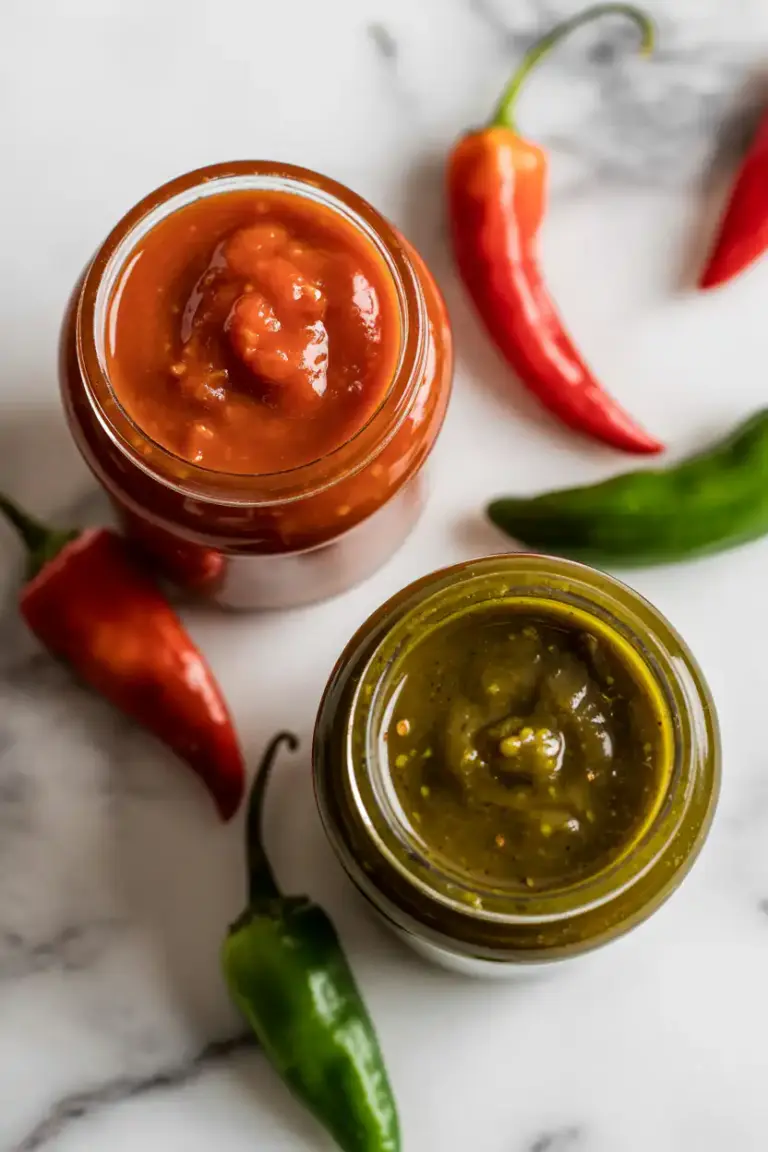

Deep red Fresno chilies, pungent fresh garlic, natural cane sweetness, and a sharp vinegar finish define an authentic homemade sriracha sauce. Unlike mass-produced commercial bottles laden with artificial thickeners and chemical preservatives, crafting your own sriracha delivers crisp heat, true fruit aroma, and customized spice control.
Originating from the coastal Thai town of Si Racha, this legendary hot sauce relies on a delicate interplay between capsaicin heat, allium depth, and acidity. In this chef-tested guide, you will master both the fast 20-minute stovetop method and the traditional 4-day lacto-fermented technique for maximum complex funk.
From choosing the right red peppers at the market to mastering the spoon-coating nappe consistency, here is how to make the ultimate sriracha from scratch.
Chili Selection: Fresno vs. Red Jalapeño vs. Serrano
The chili pepper you select establishes the color, natural sweetness, and heat curve of your sriracha. While commercial brands historically relied on red jalapeños, craft sauciers prefer red Fresno peppers for their thinner skin and brighter, fruitier flavor.
| Chili Pepper | Heat (Scoville Units) | Flavor Characteristics | Sriracha Result |
|---|---|---|---|
| Red Fresno | 2,500 – 10,000 SHU | Fruity, crisp, brilliant crimson | Authentic sweet-forward bright red sauce |
| Red Jalapeño | 2,500 – 8,000 SHU | Thick-walled, earthy, mild sweetness | Classic Huy Fong-style rounded body |
| Red Serrano | 10,000 – 23,000 SHU | Sharp, pungent, intense burn | Extra-spicy punch with high acidity tolerance |
| Red Thai Bird’s Eye | 50,000 – 100,000 SHU | Floral, biting, ultra-hot | Use 2-3 pods as a heat booster only |
Chef’s Tip: Look for fully ripened red pods. Green peppers contain more chlorogenic acid, which produces a grassy bitterness rather than the rich sweet-savory profile iconic to sriracha.
Fermentation vs. Quick Simmer Method
You have two distinct paths when making homemade sriracha:
- 1. The Quick Stovetop Method (20 Minutes): Fresh chilies, garlic, vinegar, and sugar are blended and simmered immediately with a cornstarch slurry. It yields a bright, zesty, chili-forward sauce ready to eat on the spot. If you want an even faster 10-minute table sauce, explore our 5-Ingredient Homemade Hot Sauce.
- 2. The Traditional Lacto-Ferment (3 to 5 Days): Chili mash and garlic sit at room temperature with salt and sugar. Wild Lactobacillus bacteria consume natural sugars, producing lactic acid. This delivers that complex, tangy depth found in traditional Thai condiments before finishing with a brief simmer.
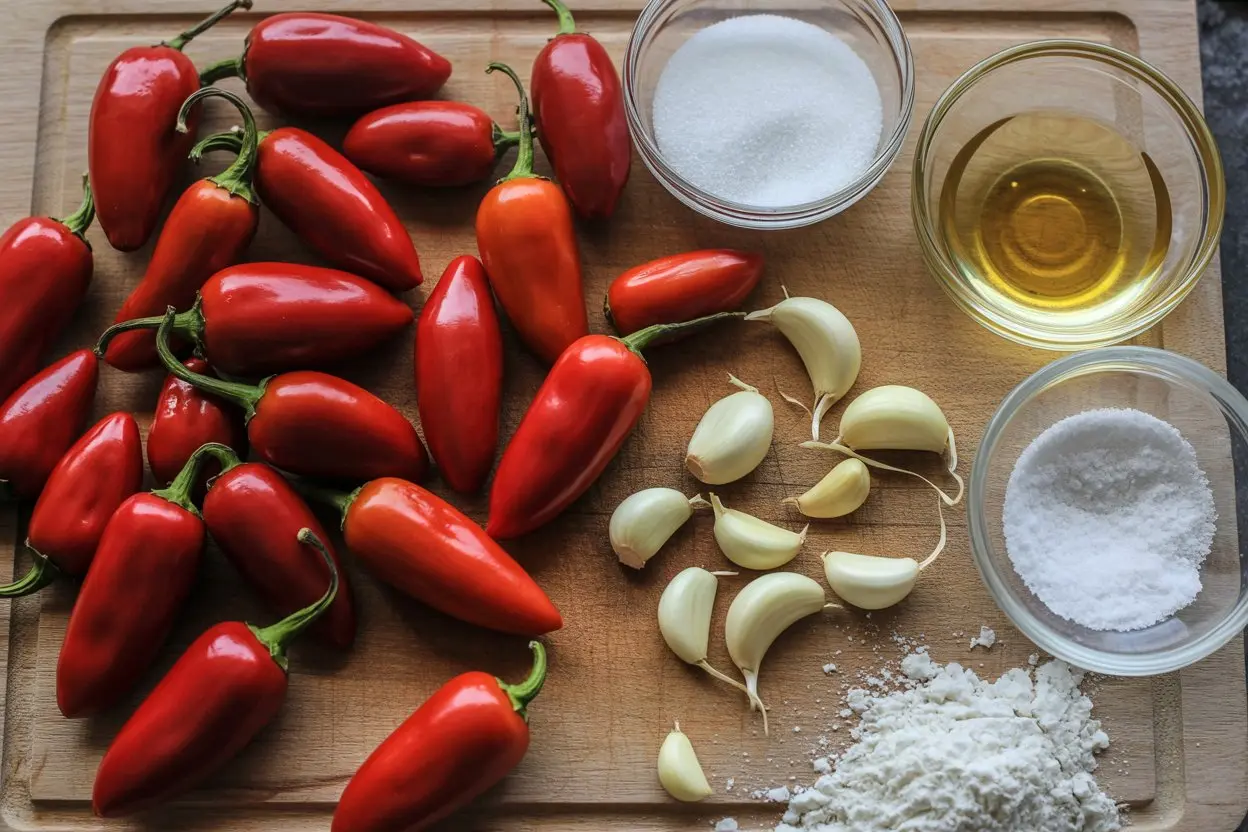
Essential Ingredients for Authentic Sriracha
Here’s what you’ll need:
Step-by-Step Homemade Sriracha Preparation
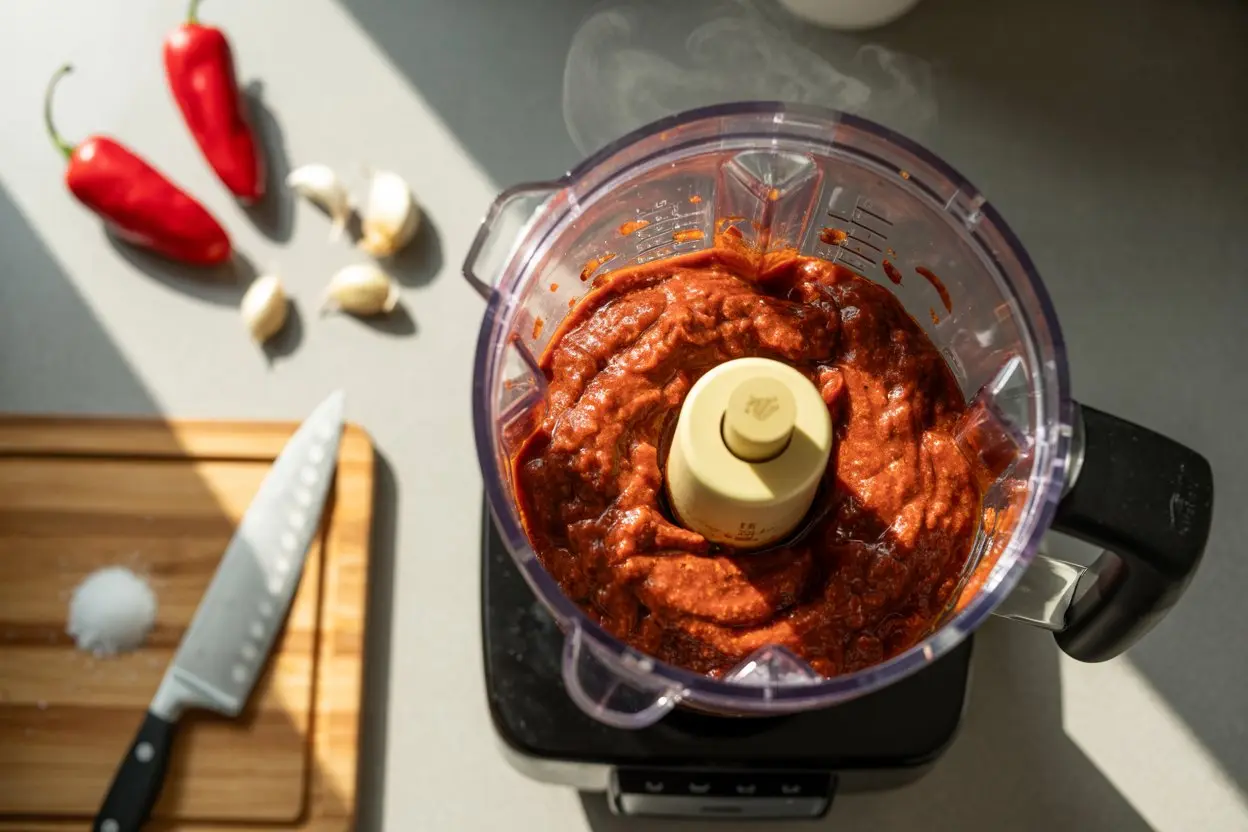
- Coarse Puree: Place chilies, garlic cloves, sugar, and salt into a food processor or blender. Pulse until finely chopped into a wet, textured mash.
- Optional Fermentation: Transfer mash into a clean glass mason jar. Cover loosely with a lid or cheesecloth. Store in a cool, dark cupboard (68°F – 72°F / 20°C – 22°C) for 3 to 5 days. Stir once daily. Tiny bubbles indicate active fermentation.
- Blend Smooth with Vinegar: Transfer fermented mash (or fresh mash) back to a high-speed blender. Add 120 ml distilled white vinegar and blend on high for 2 minutes until silky smooth.
- Strain for Purity: Pour through a fine-mesh sieve into a saucepan, pressing solids firmly with a rubber spatula to extract all flavorful juice while leaving coarse seeds behind.
- Simmer & Thicken: Bring the strained liquid to a gentle simmer over medium-low heat. Cook for 5 minutes. Whisk in the cornstarch slurry and simmer for 1 to 2 minutes until glossy and thickened.
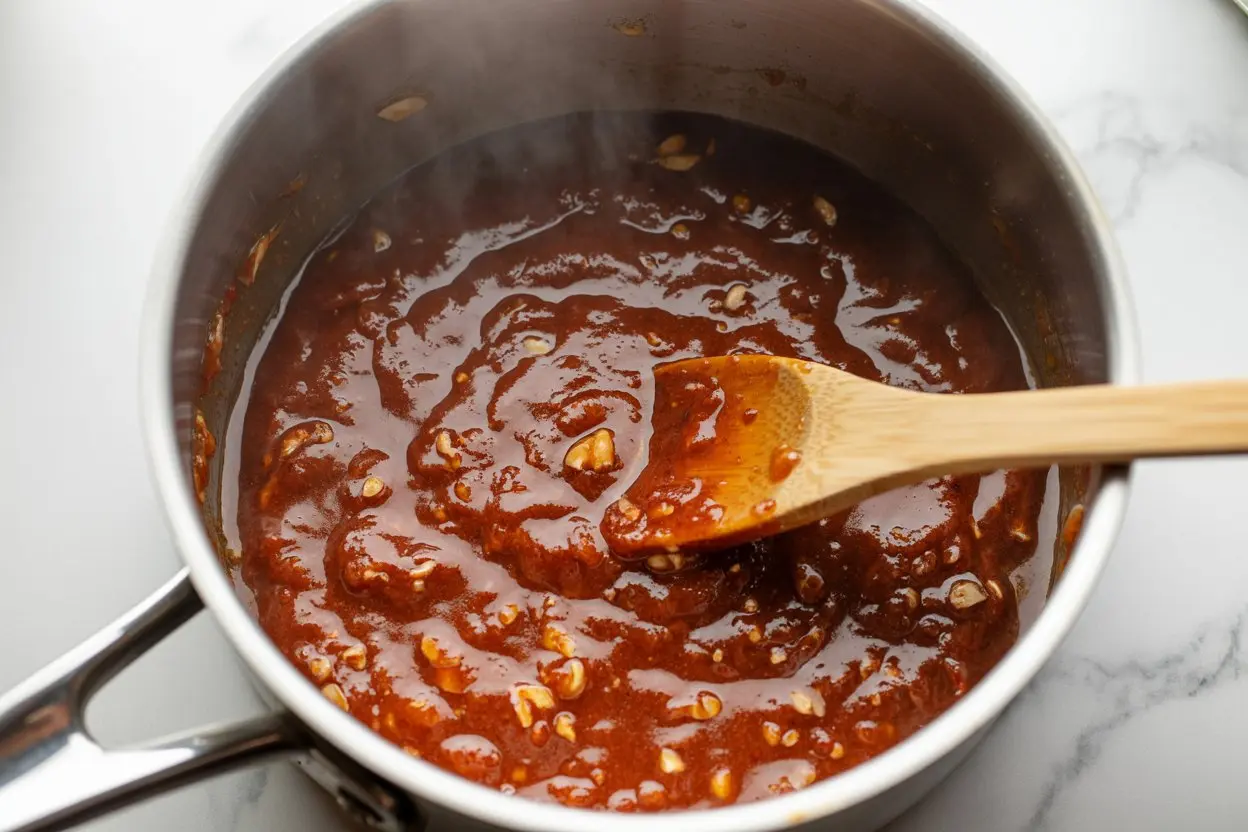
Chef Zaid’s Thickness & Nappe Test
Commercial sriracha is known for its squeezable, non-watery consistency. To test your reduction:
Dip the back of a stainless steel spoon into the hot sauce and draw a clean line through the middle with your finger. The line should stay open and sharp for at least 5 seconds without liquid bleeding across. For advanced science on hydrocolloids and starch gelatinization, see The Sauce Lab guide to sauce science.
Troubleshooting & 60-Second Sriracha Fixes
1. Sauce is Too Thin / Watery:
Mix 1/2 teaspoon of cornstarch with 1 teaspoon of cold water. Whisk into the simmering sauce and cook for 60 seconds until glossy.
2. Bitter Garlic Undertone:
This happens when garlic is scorched or raw. Simmer the sauce gently over low heat for an extra 4 minutes to break down harsh sulfur compounds.
3. Looking for Sticky Glaze Options:
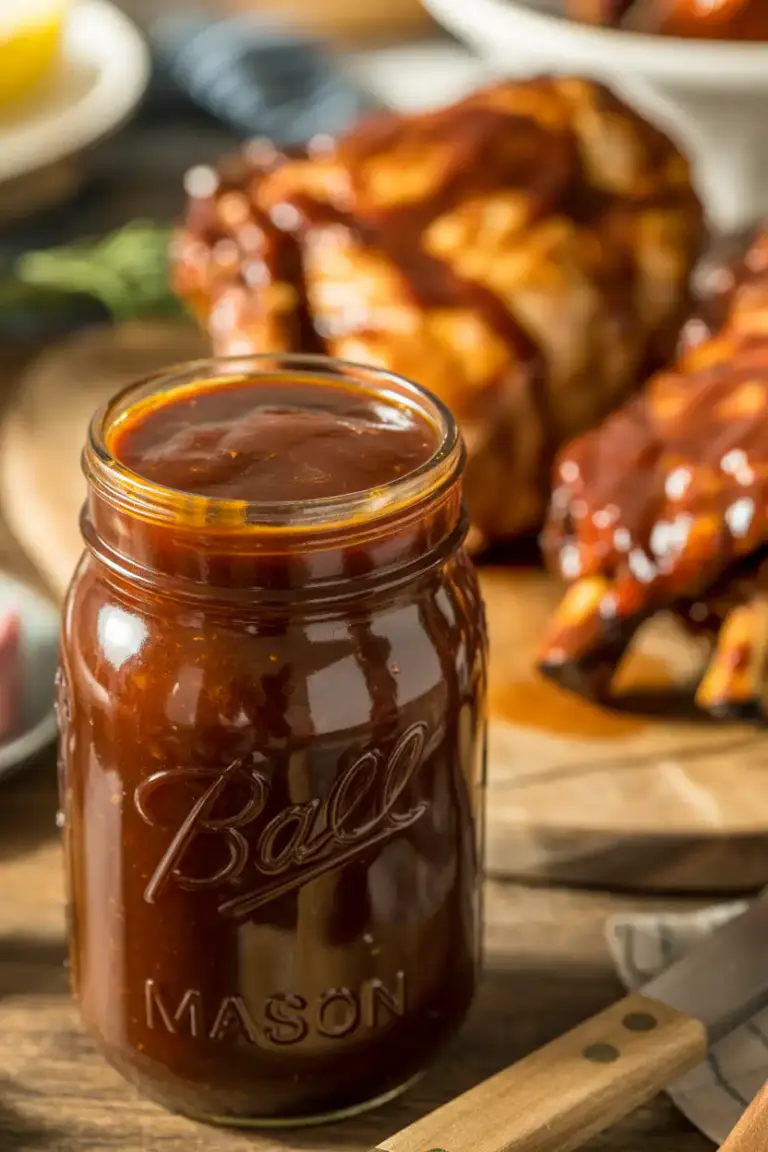
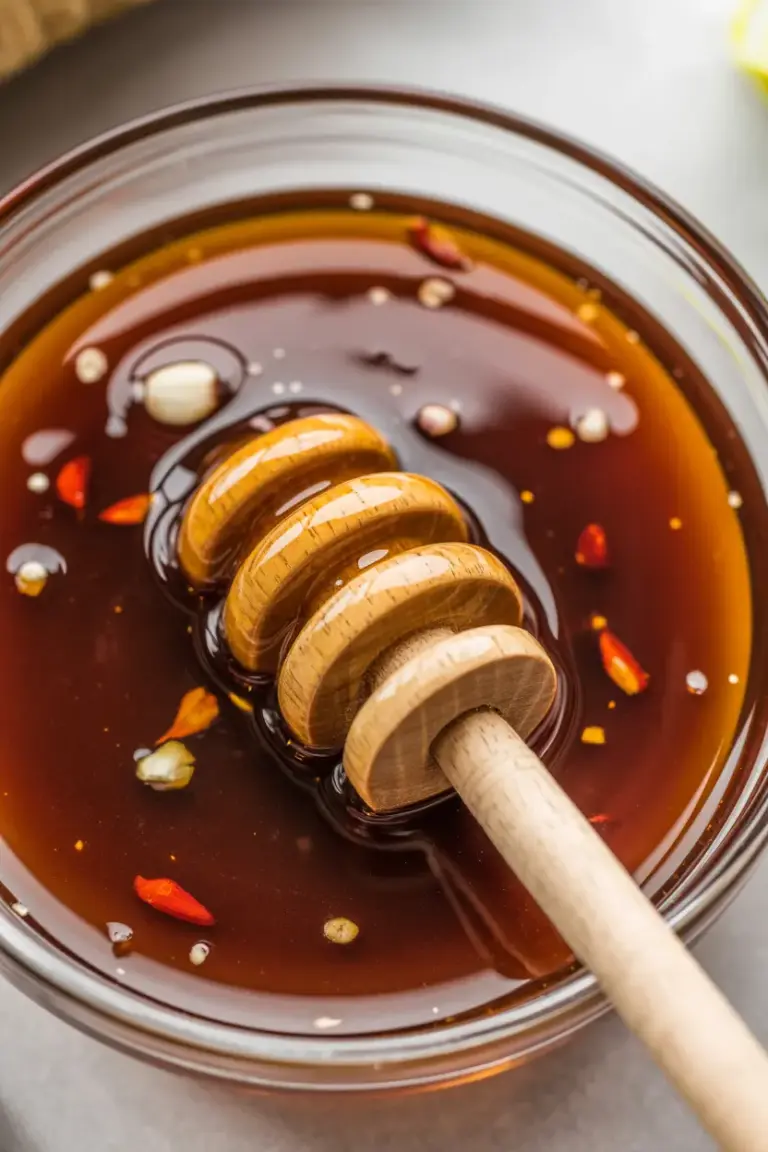
If you want a sweeter, barbecue-forward condiment for ribs and wings, explore our Honey Chipotle Glaze or check the complete Fire & Glaze collection.
“Unbeatable fresh chili fragrance. Once you taste real homemade sriracha, you will never buy bottled again.” – Zaid Mercer.
Everyday Culinary Pairings
Homemade sriracha is exceptionally versatile across global cuisines:
- Noodle Bowls & Pho: Swirl directly into hot broths for instant aromatic depth.
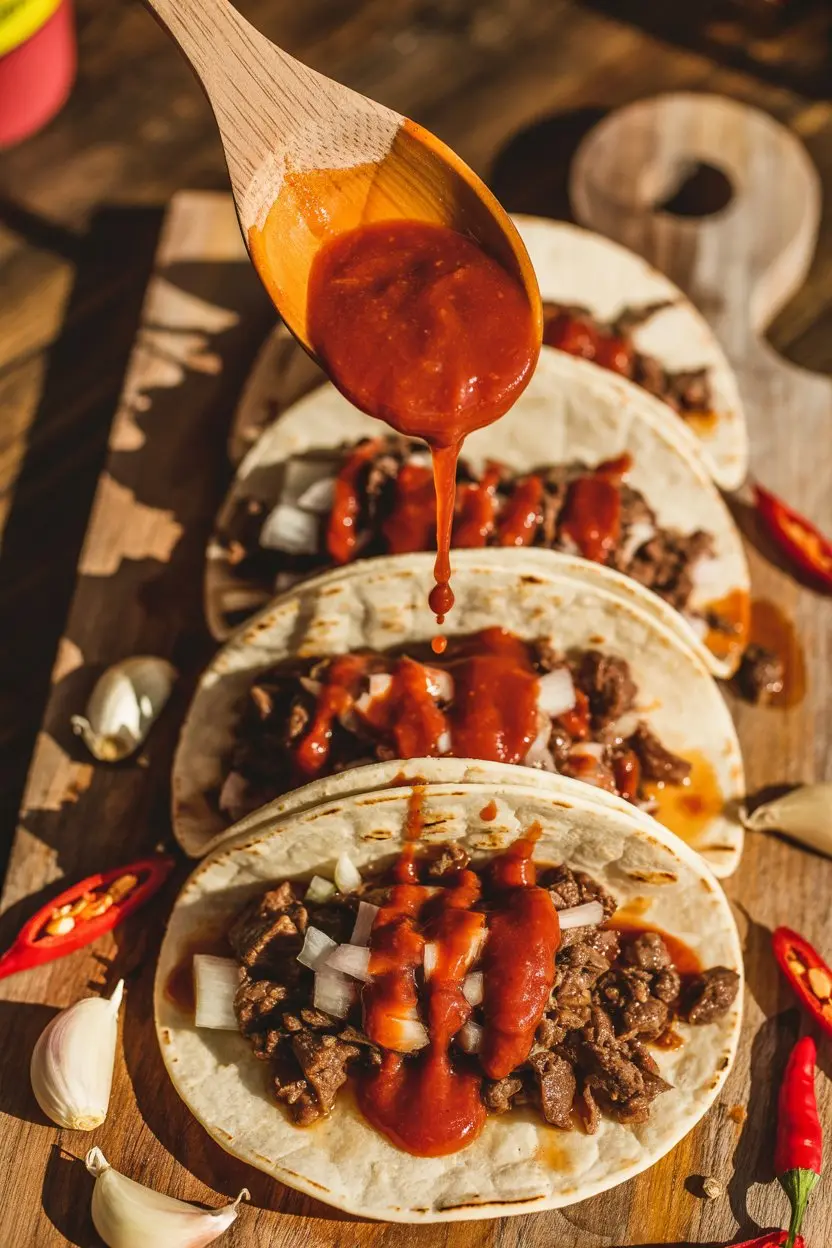
- Tacos & Burritos: Drizzle over carne asada, carnitas, or grilled fish tacos.
- Spicy Sriracha Mayo: Combine equal parts sriracha and mayonnaise with a drop of sesame oil for an irresistible sandwich spread.
Storage, Aging and Food Safety
Refrigeration: Funnel into a sterilized glass bottle or squeeze bottle. Keep refrigerated for up to 4 to 6 months. The natural acidity and salt maintain shelf stability.
Flavor Maturation: Sriracha flavor harmonizes after 48 hours in the cold, smoothing out pepper sharpness into a well-rounded condiment.
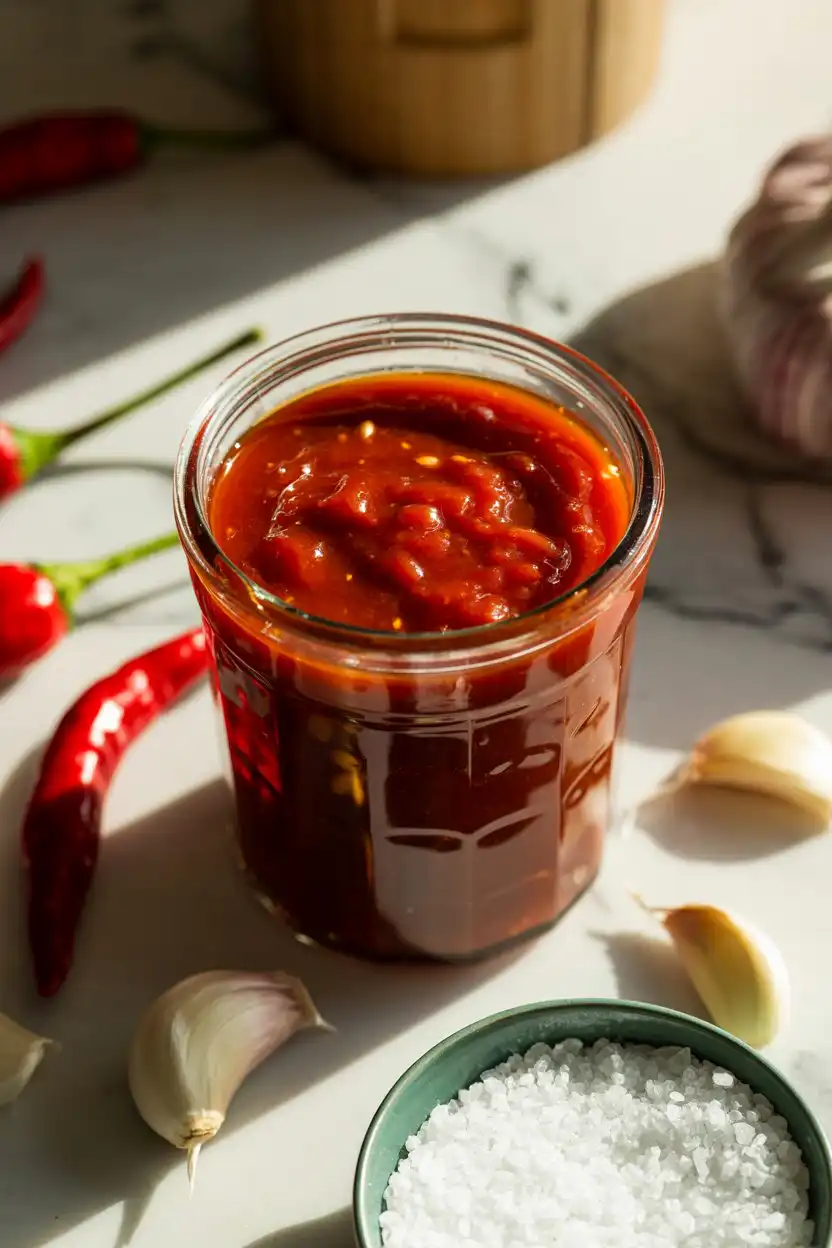
Homemade Sriracha Sauce
Ingredients
Equipment
Method
- Wash the peppers thoroughly and remove the stems.
- Roughly chop the peppers and garlic cloves.
- Add the peppers, garlic, sugar, salt, and water to a blender.
- Blend until the mixture becomes smooth and thick.
- Transfer the mixture to a clean glass jar or container.
- Cover loosely and let it ferment at room temperature for 3-5 days, stirring once daily.
- Pour the fermented mixture into a saucepan.
- Add the vinegar and stir well.
- Simmer over medium heat for 10-15 minutes.
- Remove from heat and let cool slightly.
- Blend again until completely smooth.
- Strain through a fine mesh sieve for a silky texture if desired.
- Transfer the sauce into sterilized bottles or jars. Refrigerate before serving.
Notes
- Calories: 15
- Carbohydrates: 3g
- Sugar: 2g
- Fat: 0g
- Protein: 0g
- Sodium: 120mg
Frequently Asked Questions
What makes sriracha different from regular hot sauce?
Sriracha is thicker, sweeter, and more garlic-forward than traditional Louisiana-style hot sauces, which are thinner and heavily vinegar-dominant. Sriracha uses a concentrated chili-garlic paste lightly sweetened and stabilized with gentle reduction.
Why are red jalapeños or Fresno peppers required?
Red peppers are fully ripe, meaning their natural sugar content is higher and their capsaicin profile is fruitier. Green peppers yield a bitter, vegetal flavor rather than the rich sweet-savory profile iconic to sriracha.
Do I have to ferment the sriracha?
No. The quick simmer method takes only 20 minutes and produces a fantastic, fresh hot sauce. Fermenting for 3 to 5 days adds deeper lactic tang and funk, but is completely optional.
How long does homemade sriracha sauce last?
Properly stored in a sealed glass bottle in the refrigerator, homemade sriracha sauce stays fresh for 4 to 6 months due to its natural vinegar and salt content.